7 Popular Mind and Body Enrichment Tips for Indoor Cats
Keep your indoor cat’s mind and body busy without turning your living room into a jungle gym graveyard. Indoor life keeps cats…


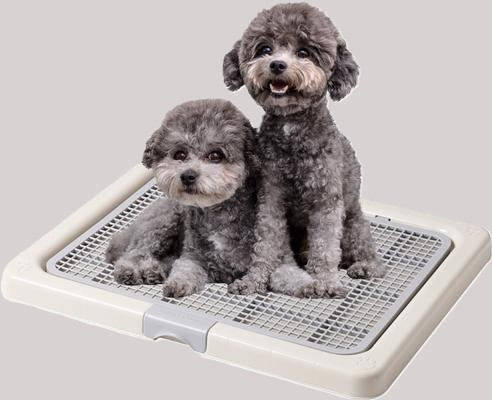
Sharing a home with dogs, cats, and small animals can be joyful and chaotic at the same time. These simple plays help you protect smaller pets, reduce tension and give every animal a safe place to unwind.
When you live with multiple species, it is helpful to stop thinking of your home as one shared space and start thinking in zones. Dogs typically live on the floor, cats like the middle and upper levels, and tiny pets need their own secure enclosures. The more you can define these zones, the safer and calmer everyone will feel.
For dogs, create “downstairs” relaxation zones with beds and chew toys in the parts of the house you use most. Cats will appreciate vertical options — window perches, shelves and tall trees — where they can observe without being chased. Small pets like rabbits or guinea pigs do best in sturdy enclosures that are off the main traffic path and away from direct dog or cat access.
Many conflicts in mixed-species homes come from bored cats and excited dogs with totally different play styles. Instead of letting cats poke at dog tails or dogs chase every feline sprint, build cat-only play sessions into your routine.
Interactive toys are especially helpful for this. A concealed-motion toy such as the SmartyKat Hot Pursuit Electronic Cat Toy lets cats stalk and pounce on something that is not a dog, while you supervise from the couch. When cats get their own “hunt time,” they are less likely to provoke dogs out of boredom.
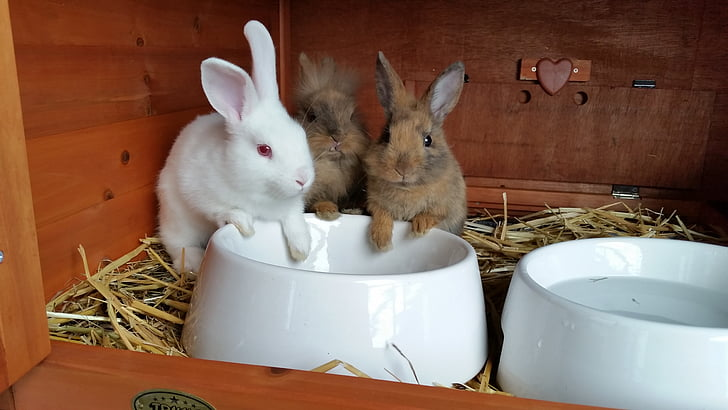
Small mammals like rabbits, guinea pigs and hamsters are prey species, which means constant exposure to dogs and cats can be stressful even if nothing “bad” happens. The goal is to make their enclosure feel like a safe room, not a front-row seat to a predator show.
Place small pet enclosures in a quieter corner of the home and use furniture or screens to break up direct line-of-sight from curious dogs and cats. Inside the habitat, cozy bedding like Kaytee Clean & Cozy Small Animal Bedding gives little pets material to burrow into and hide under when they need a break. More hiding spots mean less staring, which usually translates to calmer small animals.
Doors and gates are some of the most underrated tools in a multi-pet home. They let you give each animal breathing room without feeling like anyone is being banished. A baby gate can separate a dog from a cat feeding station or keep a curious nose away from a rabbit pen while still allowing everyone to see and smell each other.
For narrow doorways, a walk-through design such as the Regalo Easy Step Walk Thru Gate can keep dogs out of certain rooms while people move through with a simple latch. For wider openings, a model with a built-in small pet door — like the Carlson Extra Wide Walk Through Pet Gate— lets cats come and go while larger dogs stay on the right side of the barrier.
If you are introducing a new pet, start with full separation and then move to gate-level interactions where each animal can observe the other at a distance. Watch body language carefully and reward calm behavior with treats, praise and gentle voices. Over time, these controlled “micro-meetings” build the foundation for safer, calmer coexistence.
Scent plays a big role in how animals feel about each other. A litter box that smells strongly, or a corner where accidents are frequent, can make shared rooms feel stressful. While no product can replace regular cleaning, smart tools can take some of the load off.
Self-cleaning boxes like the Cumrige Automatic Self-Cleaning Cat Litter Box or the PetSafe ScoopFree Crystal Classic help keep multi-cat smells down between deep cleans. Cleaner shared areas mean dogs are less tempted to snoop, and cats are less likely to protest by avoiding the box.
Multi-pet harmony is less about perfection and more about patterns. When every animal has a safe zone, a way to burn energy and a bit of help from smart gear, your home starts to feel calmer for everyone — including you.