How To Build a Calming Corner for Your Dog
Create a go-to retreat that helps your dog unwind during storms, visitors and everyday noise. Even the most outgoing dogs have moments…

Simple, repeatable habits to keep rabbits, guinea pigs and other small pets healthy without turning your week into a full-time chore chart.
Small pets carry big responsibilities. Rabbits, guinea pigs, hamsters and other pocket pets may not need long walks like dogs, but their habitats, diets and social needs still require thoughtful care. The challenge for many families is finding routines they can realistically maintain when life gets busy. Instead of aiming for perfection, build a handful of steady plays you can run every day, week and month.
Start each day with a quick visual scan of your pet and their habitat. Is your rabbit moving normally? Is your guinea pig’s coat smooth and clean? Are the eyes clear and bright? A 30-second check helps you spot changes early, when they are easier and less expensive to address.
While you are there, remove any obviously soiled bedding, wipe up wet spots and replenish hay and fresh water. Try to pair this with another non-negotiable habit, like making coffee in the morning or feeding the dog, so it becomes automatic rather than an optional extra.
For many small herbivores, unlimited good-quality hay is the foundation of the diet. Pellets and treats are the side dish, not the main event. Create a simple script: fresh hay morning and evening, measured pellets once a day and a small serving of appropriate fresh greens if your species and vet guidelines allow it.
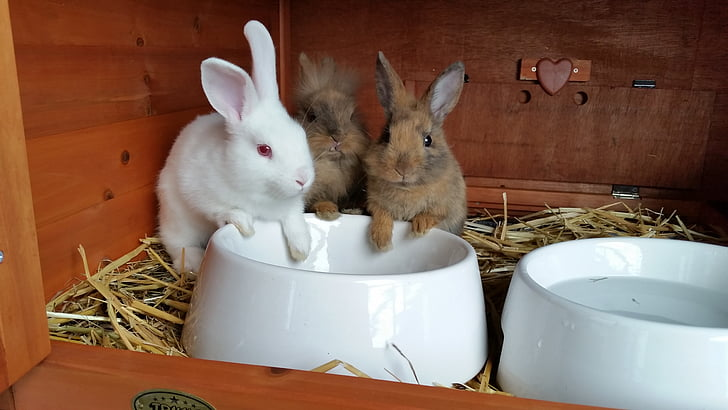
Use heavy ceramic bowls or secure feeders so enthusiastic nibblers do not constantly flip dishes. During your daily check, note how much food is eaten. A sudden drop in appetite is often one of the earliest signs of illness and deserves a call to your vet.
Once a week, schedule a deeper clean of the habitat. Move your pet to a safe temporary enclosure with familiar bedding and a bit of hay so they do not feel displaced. Remove all accessories, shake bedding into a trash bag or compost bin if appropriate, and wash solid surfaces with warm water and a mild, pet-safe cleaner. If necessary, replace bedding. Kaytee Paper Bedding is an environmentally safe, natural choice for small pet habitats, and also offers great odor control.
Rinse thoroughly and let everything dry before replacing bedding. While the cage is drying, quickly inspect hideouts, toys and tunnels for rough edges or damage that could trap toes or snag fur. Rotate toys so the environment feels refreshed without purchasing new items every week.
Many small pets are more social and active than we expect. Build regular “out of habitat” time into your schedule—whether that is a rabbit-safe exercise pen, a supervised floor play area for guinea pigs or a puzzle-filled play bin for hamsters. Even 15–20 minutes of dedicated time a day can make a big difference in your pet’s mood and confidence.
During social time, gently handle your pet if they enjoy touch, or simply sit nearby and let them explore at their own pace. The goal is to be a calm, predictable presence so they associate you with safety, not constant grabbing or noise.
Once a month, set aside a bit of extra time for a more detailed check. Look at nails, teeth, weight and fur condition. Review whether the habitat still fits your pet’s size and energy level. Young animals grow quickly and may need more space or additional enrichment sooner than you expect.
This is also a good moment to review your vet schedule. Make sure you know where to go in an emergency and keep their contact information posted near the habitat. If you notice subtle changes—like more hiding, less grooming or new lumps— make a note and follow up with a professional rather than waiting to “see if it goes away.”
Small-pet care can be a great way to teach kids responsibility, but adults should stay in charge of the overall plan. Create a simple chart or digital checklist that breaks tasks into age-appropriate pieces: kids refill water and hay, teens help with weekly deep cleans and adults monitor health and scheduling vet care.
The more your routines are written down, the less you rely on memory. On busy days, you can quickly see what has been done and what still needs attention, instead of wondering, “Did someone already change the water?”
You do not need a Pinterest-perfect enclosure or an elaborate cleaning routine to be a good small-pet parent. What your rabbit, guinea pig or hamster needs most is consistency: fresh food and water, reasonable cleanliness, room to move and a calm human who notices when something changes.
Start with one or two simple plays—like the 5-minute morning scan and a weekly deep clean—and layer in more as they become second nature. Over time, your small pet’s care will feel less like a scattered list of chores and more like a comfortable rhythm you share together.