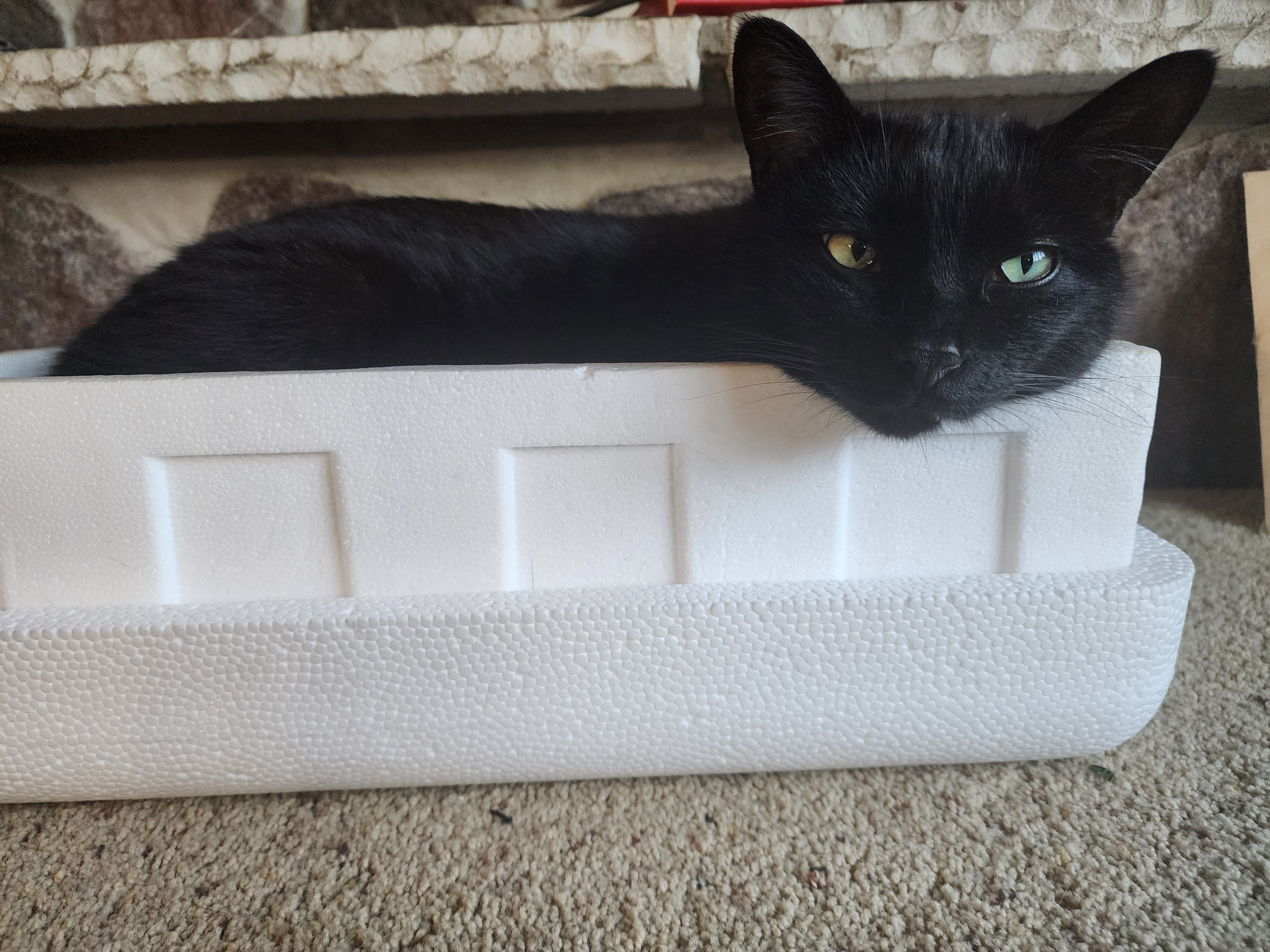
How to Troubleshoot Cat Litter Box Problems
When your cat suddenly stops using the box, it is rarely “spite.” Here is how to troubleshoot the set-up, the litter and…


Simple, kind training that makes life safer and smoother for both dogs and indoor cats.
You do not need a competition-ready obedience dog or a circus-trained cat to enjoy a peaceful home. A small set of everyday cues—practiced kindly and consistently—can cover most real-world situations: greeting guests, walking through doors, dropping something dangerous, or moving out of the way. These five cues are a solid foundation for almost any pet family.
Your pet’s name should mean, “Check in with me,” not, “You are in trouble.” Practice in quiet moments first. Say the name once in a cheerful tone, then immediately offer a treat when they glance your way. If they do not look up, make it easier: move closer, reduce distractions or use a higher-value reward.
Use this name game a few times a day, especially before meals or walks. Over time, your dog or cat will snap their head toward you at the sound of their name, which makes every other cue easier to deliver.
“Sit” is more than a party trick; it is a polite way to ask for things. Lure your dog or cat’s nose up and slightly back with a treat until their rear naturally lowers, then mark the moment with “Yes!” or a click and deliver the reward.
Once they understand the motion, add the word “Sit” just before you lure. Practice at thresholds, before placing the food bowl down and when greeting friends. Sitting for what they want—attention, food, access—teaches impulse control without scolding.
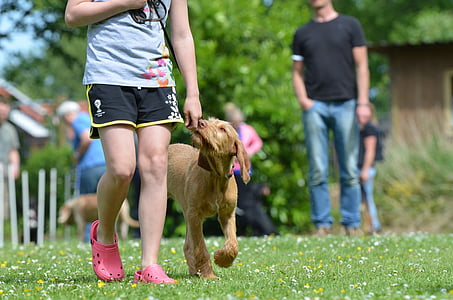
A reliable recall can prevent accidents, from dashing toward the street to slipping out of a carrier. Start in a hallway or small room. Crouch down, open your arms and say “Come!” in the happiest voice you can manage. When your pet arrives, shower them with praise and a great reward.
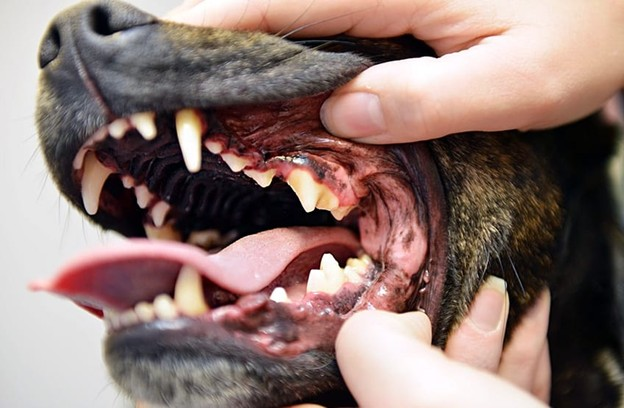
Reserve special treats just for recall practice. Many dogs work eagerly for training-friendly dental chews like Greenies or Minties broken into small pieces. If you are training a cat, try tiny bits of cooked chicken or their favorite wet food delivered on a spoon.
“Leave it” teaches your pet to disengage from something on cue—dropped pills, chicken bones on the sidewalk, or the snack your toddler just abandoned on the floor. Start with a treat in your closed fist. Let your pet sniff, lick and investigate, but keep the fist closed. The moment they back their nose away, calmly say “Yes” and offer a better treat from your other hand.
Repeat until they quickly move away from the closed fist to look at you instead. Then you can begin practicing with a treat on the floor, covered by your hand or foot for safety. Over time, generalize to non-food items, rewarding generously when they make the choice to walk away.
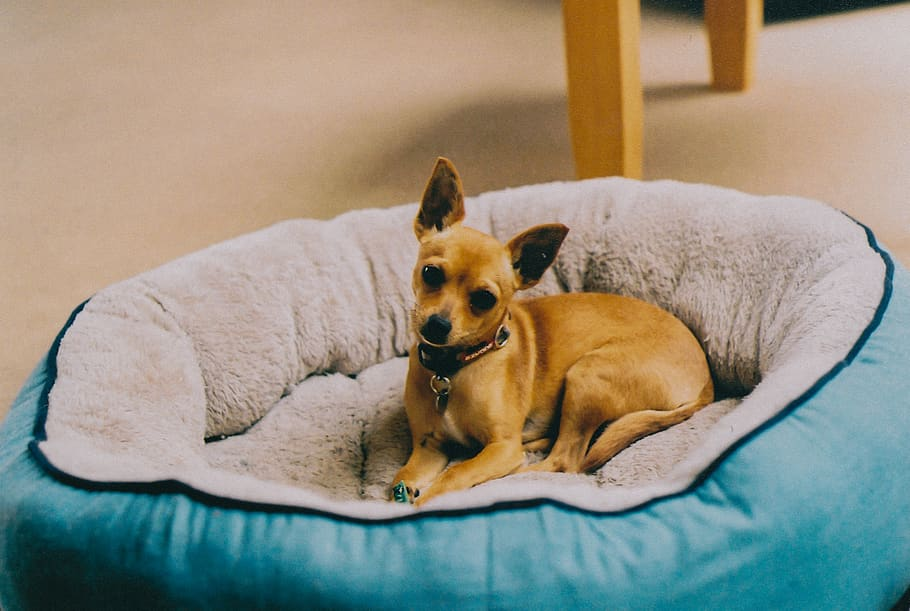
A “spot” or “place” cue sends your pet to a designated mat, bed or perch and encourages them to stay there until released. This is incredibly useful during mealtimes, when you answer the door or when you need a bit of space while carrying in groceries.
Stand a step away from the mat and toss a treat onto it. When your pet steps onto the mat to eat, quietly say “Spot” or “Place.” Repeat several times. Then, wait a beat before tossing the treat so they begin offering to stay on the mat for a moment. Gradually build up to longer durations and add distractions like you walking around the room.
Training works best in many tiny sessions rather than one long marathon. Aim for 2–3 minutes at a time, a few times a day. Mix cues together so your pet learns to switch gears: “Name, sit, okay—play again!” Always pay well, especially when they respond in more distracting situations.
For dogs, medium-value rewards might be small treats or kibble, while high-value rewards could include bits of Greenies or Minties dental chews, tug games or a quick sniff break. For cats, rotate between treats, play and cuddle sessions so the work feels worthwhile.
There will be days when your dog ignores “come” at the park or your cat decides the mat is optional. That is normal, not failure. Go back to easier versions of the cue in calmer settings, rebuild confidence and then try again with slightly bigger challenges.
Over time, these five cues become the language you share with your pet. With a name response, sit, come, leave it and go-to-spot in your pocket, everyday life gets smoother: fewer frantic chases, more thoughtful choices, and a stronger bond rooted in communication instead of correction. That is the kind of playbook every pet family deserves.