5 Powerful Communication Cues Your Pet Should Know
Simple, kind training that makes life safer and smoother for both dogs and indoor cats. You do not need a competition-ready obedience…

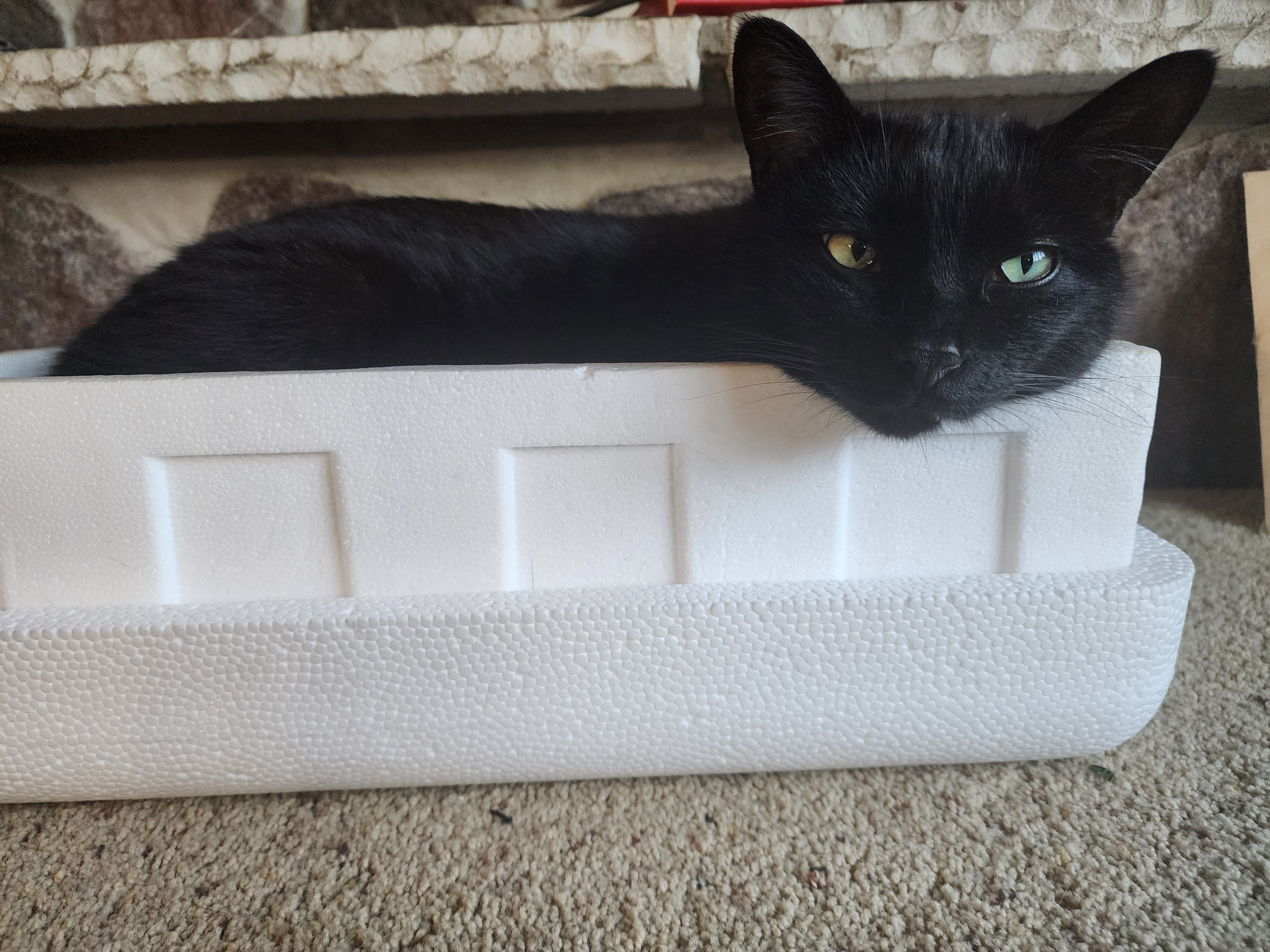
When your cat suddenly stops using the box, it is rarely “spite.” Here is how to troubleshoot the set-up, the litter and the environment so everyone can relax.
Few things stress cat parents more than mysterious litter-box issues. One day everything is fine; the next day you are discovering surprise puddles on the rug or small piles on the bed. While it can feel personal, most cats are not being naughty — they are communicating that something about their bathroom situation is not working for them.
Before you overhaul your litter set-up, check with your vet, especially if the change is sudden, your cat strains, cries, visits the box frequently or has blood in the urine or stool. Urinary tract infections, crystals, constipation and arthritis can all show up as “missing the box.” Solving the underlying discomfort is the most compassionate and effective first step.
Once health is cleared, look at the box itself. Most cats prefer a box that is large enough for them to turn around easily and dig without bumping into walls. A good rule of thumb is a box at least one-and-a-half times the length of your cat from nose to base of tail. In multi-cat homes, aim for one box per cat plus one extra, scattered in different locations.
High-sided boxes can help with kickers who fling litter, but older or arthritic cats may struggle to climb in. If your cat suddenly starts peeing just outside the box, they may be telling you that the doorway is now too high. Switching to a lower entry or adding a ramp can make a big difference.
Imagine if your bathroom were in the loudest, most chaotic part of your home. Many cats are asked to use boxes next to washing machines, in busy hallways or right beside the dog’s favorite sleeping spot. Choose quiet locations where your cat has more than one escape route and will not get cornered.
Avoid placing boxes directly next to food and water stations. Most cats prefer a clear separation between eating and bathroom areas, and crowding them together can create subtle stress that eventually shows up as accidents.
Even the most forgiving cat has limits when it comes to cleanliness. Scooping at least once a day (twice is better) and fully changing litter on a regular schedule keeps the box inviting. Some families find that upgrading the cleaning routine is easier with smart tools. Self-cleaning boxes like the Cumrige’s Automatic Litter Box, or the PetSafe ScoopFree Crystal Classic can help busy households keep waste under control and reduce odors between deep cleans.
Litter type matters too. Many cats prefer unscented clumping litter with a fine, sand-like texture. Strong perfumes may smell “fresh” to humans but can be overwhelming to a cat’s sensitive nose. If you need to change brands, do it gradually by mixing a small amount of the new litter into the old over several days so your cat has time to adjust.
Litter-box problems often flare when something changes in your cat’s social or physical world: a new baby, a visiting dog, a change in work schedule or the addition of another cat. In multi-cat homes, one cat may silently intimidate another, blocking access to the preferred box. You might not see a hiss or a swat, just a nervous cat avoiding the hallway.
To reduce pressure, offer multiple boxes in different rooms and on different levels of the house. Provide vertical spaces and hiding spots so cats can pass each other without conflict. When you see a pattern — for example, one cat always using the box in the laundry room while the other avoids it — try relocating or adding a box where the more timid cat already feels safe.
When accidents happen, quietly clean the area with an enzymatic cleaner designed for pet messes. These break down odor at the molecular level so your cat is less likely to revisit the spot. Avoid scolding, rubbing noses in messes or physically dragging your cat to the box; those strategies increase anxiety and make the box feel even less safe.
If scooping has become a constant source of stress or mobility is an issue, a self-cleaning box can be worth considering. The Cumrige Automatic Box uses sensors and a large 95L chamber to cycle waste into a separate bin, which helps keep the main area cleaner between checks. The PetSafe ScoopFree Crystal Classic uses pre-filled crystal litter trays that absorb moisture, so you simply swap trays on a schedule rather than scraping clumps.
No gadget can fix every behavior problem, but pairing a smarter litter-box set-up with thoughtful placement, cleanliness and attention to your cat’s emotional needs often turns “mystery messes” into a short-lived chapter rather than a new normal. Watch your cat’s body language, keep notes on patterns and adjust one variable at a time. Your cat is not being difficult — they are asking for a better bathroom experience, and with a few strategic plays, you can give it to them.