Create an Easy Dental Care Routine for Your Dog
You do not need to be a vet tech to keep your dog’s mouth healthier. Start small, stack habits and use smart…

As dogs and cats move into their senior years, small changes to beds, routines and home layouts can make a big difference in how comfortable they feel every day. This guide walks you through simple upgrades you can roll into your week without turning your home upside down.
Time to read: 7 minutes · Best for senior dogs and indoor cats
Senior pets often want to be near you, but they may not have the same stamina they did a few years ago. Instead of long, intense outings, think in terms of short “comfort plays” throughout the day. A few ten-minute walks or play bursts spread across the morning and evening are usually easier on aging joints than one big session.
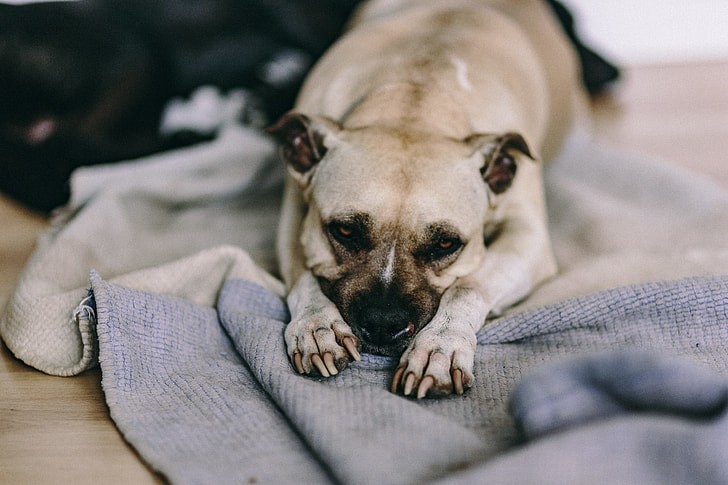
Watch for subtle signs that your dog or cat is getting tired: a slightly stiffer walk, hesitation on stairs, or choosing to lie down while everyone else is still in motion. When you spot those cues, that’s your signal to wind down the activity and guide them back to a cozy rest spot.
As joints become more sensitive, hard floors can feel unforgiving. One of the easiest comfort upgrades is to place soft beds or thick mats in the locations your pet already picks – next to the sofa, at the foot of your bed, by a favorite window, or near your work-from-home desk.
Round, nest-style beds can be especially comforting for smaller seniors that like to curl up. A fluffy option like the Hoewina Calming Pet Bed can give petite senior dogs and cats a comfortable place to snooze while still feeling “hugged” by the raised sides. For older pets that need extra joint support, an orthopedic choice such as the Furhaven Orthopedic Sofa-Style Bed for dogs and cats, adds more cushion under the hips and shoulders while still offering bolstered edges to lean against.
Getting to the bathroom spot can suddenly feel like a big undertaking for an older pet. For dogs, consider shifting outdoor breaks closer to the door they use most and adding a non-slip runner to any slick areas. Shorter, more frequent walks can help them avoid accidents without overdoing it.
Senior cats often appreciate a litter box that is both easy to enter and easy to keep clean. High-tech litter boxes such as the Cumrige Self-Cleaning or the PetSafe ScoopFree Classic, can reduce how often you need to scoop, which helps the box stay inviting for older cats that are picky about cleanliness. Always introduce new litter setups gradually by keeping the old box nearby until you are sure your cat has fully switched over.
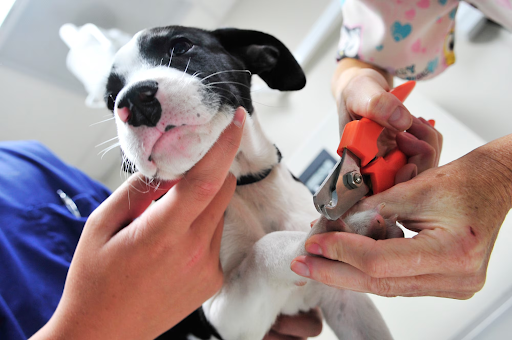
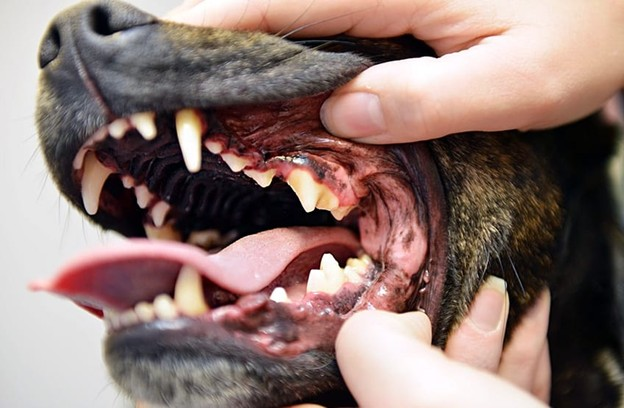
Dental discomfort can make eating painful and may even change your senior pet’s behavior. Daily brushing is still the gold standard, but it can be hard to maintain with a wiggly pet or tender gums. That is where dental chews and softer textures can help fill the gaps.
For many senior dogs, a routine that pairs gentle brushing a few times a week with a once-a-day chew, like Greenies Dental Treats , can keep their mouth feeling fresher between vet cleanings. Always choose the size that matches your dog’s current weight, and offer chews when you can supervise so they do not try to gulp them whole.
As pets age, things that never used to be a problem — like jumping off the couch or leaping into the car — can become risky. Instead of waiting for a misstep, look around your home for ways to smooth the path in advance.
For taller beds and sofas, a dedicated ramp such as the PetSafe CozyUp Bed Ramp can give older pets a gentle slope instead of a jump, which is kinder on aging joints and lowers the risk of falls. These small environmental tweaks reduce the chance of slips and tumbles and let your pet keep enjoying the spaces they already love.
Senior pets give us so much over the years. A few thoughtful comfort plays can return the favor and help them enjoy their golden seasons with more ease and less strain.