7 Ways to Create a Clean and Pet-Friendly Home
Keep your home fresh and fur-friendly without spending the whole weekend scrubbing. Living with pets means living with fur, paw prints and…

A simple game plan you can follow from the moment your new puppy comes home, so everyone settles in faster and with fewer accidents.
Bringing home a new puppy is part joy, part chaos. One minute they are snuggling on your lap, the next they are chewing a shoe or peeing on the rug. The first week is not about perfection; it is about creating predictable patterns so your puppy can relax and learn what “normal life” looks like in your home. Think of it as running a few high-impact plays over and over rather than trying to teach everything at once.
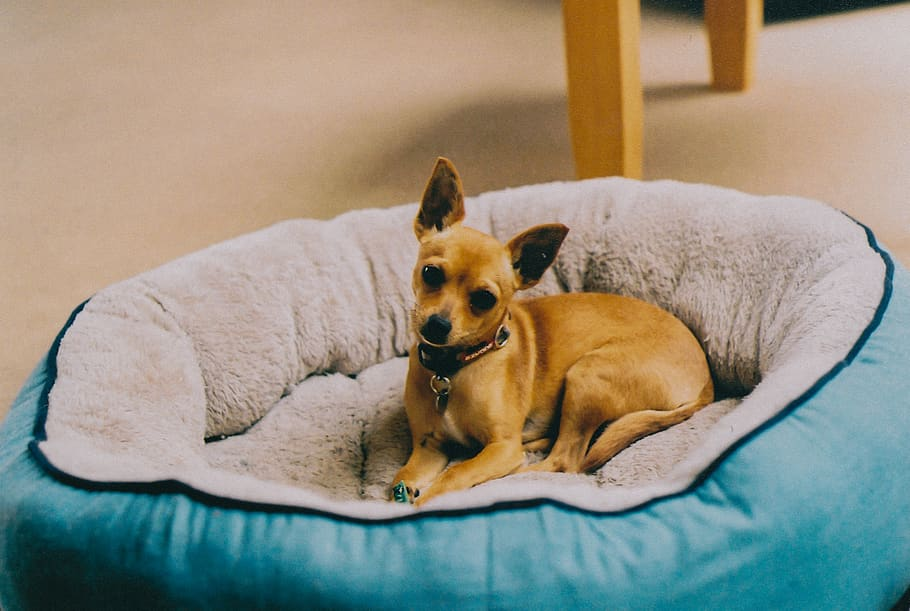
When your puppy first arrives, their world has just changed: new people, smells, sounds and routines. Start by giving them a quiet, puppy-proofed area where they can rest and observe. A cozy bed or crate in a low-traffic corner helps them feel safe. A donut-style calming bed, like the Hoewina Calming Dog Bed, can make this spot extra inviting and encourage good nap habits right from the beginning.
Keep introductions slow. Let family members sit on the floor and allow the pup to come to them instead of crowding around. Offer a few pieces of kibble or a tiny treat when they approach calmly. This shapes the idea that humans are safe and predictable, not overwhelming.
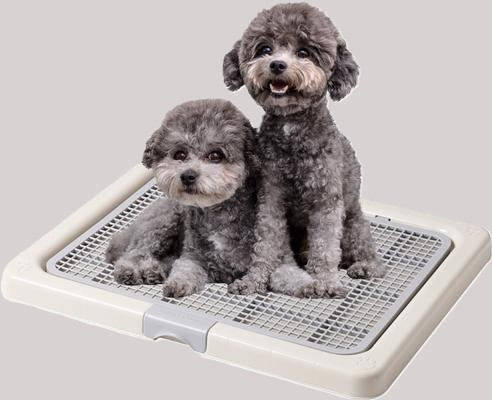
House-training succeeds or fails on timing. For the first week, assume your puppy needs a potty break:
Walk them to the same outdoor spot on leash, stand mostly still and quietly say your cue (such as “Go potty”). When they go, calmly praise and reward within two seconds. High-value treats, like a small piece of Greenies Dental Dog Treat or a tiny chunk of a Minties Dental Chew broken into mini bites, help your puppy decide that peeing outside is way more rewarding than going indoors.
A crate is not doggy jail; it is a bedroom. Line it with a soft blanket or small bed and leave the door open at first. Toss a few pieces of food inside and let your puppy wander in and out on their own. Once they are comfortable, offer a safe chew while you sit nearby with the door closed. Start with one or two minutes and slowly build up the time.
Use the crate for naps, overnight sleep and whenever you cannot supervise closely. The combination of a secure crate and a calming bed in a nearby corner gives your puppy two clear “off switches” in the house: one for deep sleep and one for casual lounging while you watch TV or work.
In the first week, focus on micro-sessions of 30–60 seconds sprinkled throughout the day instead of long formal training times. Stick to the basics:
Use small pieces of high-value treats or kibble so you can reward frequently without upsetting their stomach. Dental chews, such as Greenies or Minties, work well as a once-a-day “jackpot” reward after an especially good training block or calm bedtime routine.
Every household looks different, but this sample pattern gives you a starting point you can adjust:
Accidents and puppy zoomies are normal, not a sign that you are doing things “wrong.” Clean indoor messes thoroughly with an enzymatic cleaner, then look at the schedule: did your puppy have access to the house too long without a break? Were they over-tired and in need of a nap? Each “oops” is feedback to tighten supervision, shorten freedom or add a predictable rest period.
By repeating the same simple plays all week — safe resting spots, consistent potty breaks, tiny training bursts and well-timed rewards using treats and chews — you are already building the foundations of a confident, well-mannered dog. The goal of week one is not a perfectly trained puppy; it is a puppy who trusts you, understands the basic rhythm of the day and has a few rock-solid habits you can keep building on.