How To Build a Calming Corner for Your Dog
Create a go-to retreat that helps your dog unwind during storms, visitors and everyday noise. Even the most outgoing dogs have moments…

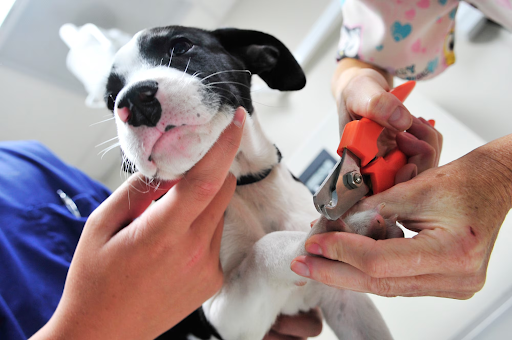
Vet visits keep your pet healthy, but the car ride, waiting room, and exam can feel overwhelming. With a little practice and the right comfort tools, you can turn checkups into a routine your pet can handle with much less drama.
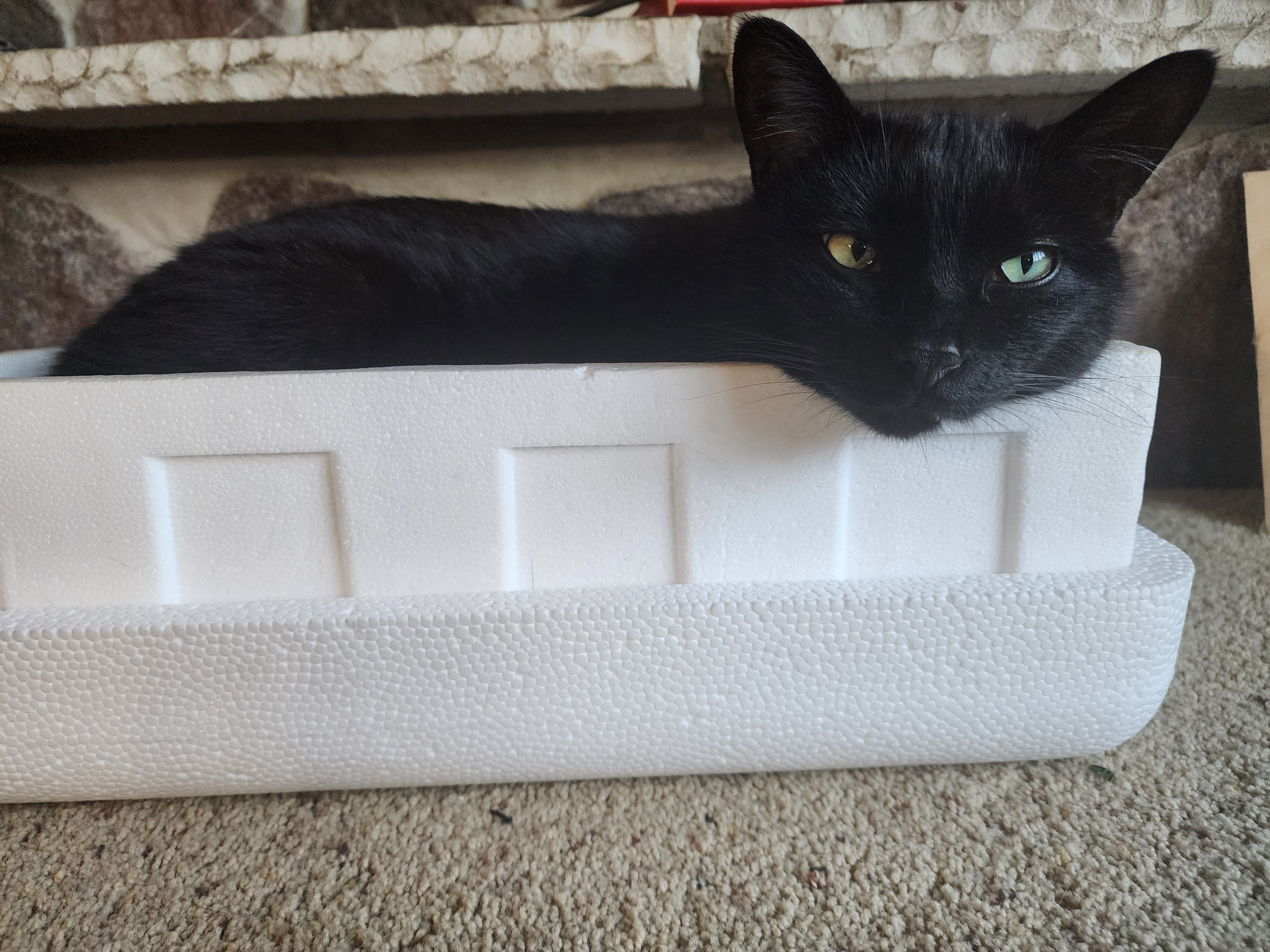
For many pets, stress starts the moment the carrier comes out or the car door opens. Instead of only showing up on vet days, bring those items into everyday life. Set the carrier up as a cozy nest in the living room with a blanket and a few treats scattered inside so your cat or small dog chooses to explore it on their own.
For cats and small dogs, a hard-sided crate with both top and front doors — such as the Petmate Two-Door Top Load Kennel — can feel sturdy and secure while still giving your vet easy access during exams. If you prefer something lighter, a soft-sided option like the Henkelion Collapsible Cat Carrier is easier to carry and can be folded away between appointments. Whatever style you choose, the key is to bring it out regularly so it feels like a normal piece of furniture, not a red flag.
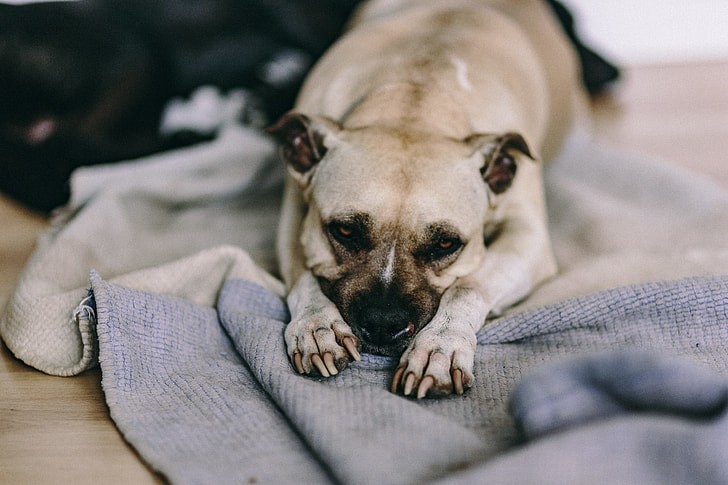
For larger dogs, practice very short, positive car trips that do not end at the clinic. Drive around the block, offer a small treat or a favorite chew, and then come back home. Over time, your dog learns that the car can be a neutral or even pleasant place instead of a one-way ticket to needles and thermometers.
Having a small kit ready to go can reduce your stress and, in turn, your pet’s. Pack a copy of your pet’s vaccine records, a towel or blanket that smells like home, and a high-value treat or chew.
For dogs, a familiar chew, such as a size-appropriate Greenies Dental Treats or Minties Dental Chews, can give them something to focus on while you wait. Always ask the staff when it is okay to offer treats, especially if bloodwork or sedation is on the schedule.
The waiting room is often the most intense part of the experience: new smells, other animals and unfamiliar noises all in one place. Whenever possible, choose a seat away from the main traffic path and keep your pet on a short, relaxed leash or fully inside their carrier.
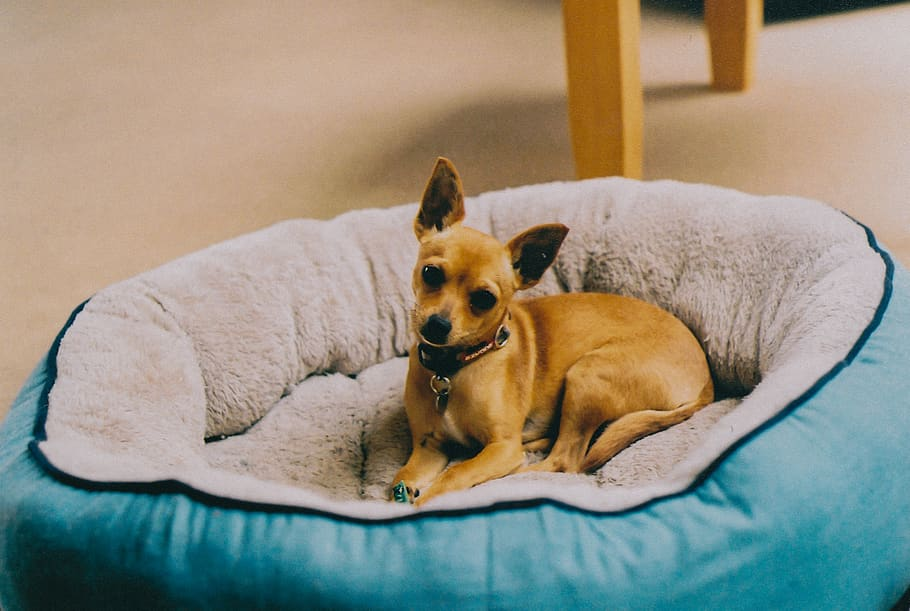
Small, familiar items can make a big difference. A compact bed or mat—like a travel version of the Hoewina Calming Donut Bed —gives pets a defined spot to settle on while you wait. For cats, placing a light towel or blanket over part of the carrier can reduce visual stress without cutting off airflow.
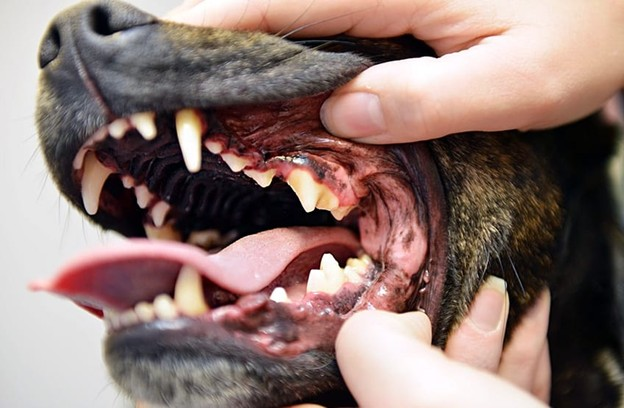
Many pets react strongly when a stranger touches their paws, ears or mouth. You can make those sensations less scary by pairing them with praise and treats during calm moments at home. Start with very short sessions: touch a paw, say “good job,” and offer a tiny treat.
Over time, work up to lifting lips to peek at teeth, gently feeling along legs and shoulders, and briefly touching ears or tail. The goal is not to play “pretend vet” perfectly, but to teach your pet that handling is usually followed by something pleasant instead of something scary.
The story your pet remembers is not just the exam itself, but what happens right after. If every visit ends with you rushing back to work or feeling frazzled, the whole experience can stay filed under “bad news” in your pet’s mind.
When you can, plan a small, positive ritual at the end of vet day. Take your dog for a quiet sniff walk in a calm area on the way home, or give your cat a favorite meal in a warm, familiar room once you’re back. These “exit plays” help your pet associate vet visits with a full arc that includes comfort, not just stress.
No visit will be perfect, but each small step toward comfort adds up. Over time, these plays can help your pet walk into the clinic with more curiosity and less fear — and help you feel more confident too.