Simple Care Routines for Small Pets That Don’t Overwhelm
Simple, repeatable habits to keep rabbits, guinea pigs and other small pets healthy without turning your week into a full-time chore chart.…

You do not need to be a vet tech to keep your dog’s mouth healthier. Start small, stack habits and use smart chews to back you up.
Dog breath is a running joke, but dental disease is anything but funny. Plaque, tartar and inflammation in the mouth can affect your dog’s heart, kidneys and overall comfort. The good news: you do not need a complicated grooming room or hours each week to make a meaningful difference. With a few simple routines and the right tools, you can turn dental care into a predictable, mostly stress-free part of your dog’s life.
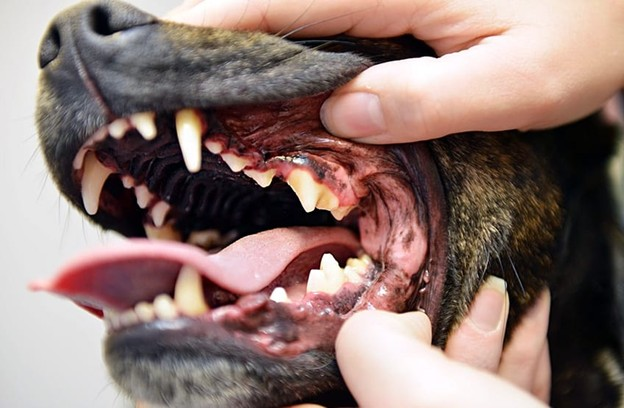
Before you ever pick up a toothbrush, help your dog feel comfortable with gentle handling around their muzzle. In a quiet moment, lightly touch the side of their face, then offer a treat. Gradually work up to lifting a lip for a quick “tooth peek” followed by another treat. Short, frequent sessions build trust far better than one long wrestling match.
If your dog pulls away, yawns, licks their lips or stiffens, you are going too fast. Take a step back to an easier version they can say yes to. Your goal is for your dog to think, “When my human touches my mouth, good things happen.”
Daily brushing is ideal, but even a few times per week helps. Choose a dog-safe toothpaste (never human toothpaste, which can contain xylitol) in a flavor your dog enjoys. Use a soft dog toothbrush or a finger brush for more control.
Start by letting your dog lick a little toothpaste off the brush. Then gently rub the outer surfaces of the front teeth in a circular motion. Over time, work toward reaching the back molars where most tartar builds up. You do not have to pry the mouth open; focusing on the outer tooth surfaces already offers big benefits.
Real life is busy, and brushing may not happen perfectly every day. That is where smart dental chews come in. Products like Greenies Dental Dog Treats (vet-recommended) and Minties Dental Chews are designed with textures and shapes that help scrape away plaque as your dog chews. Many dogs consider them a highlight of the day, which makes your routine easier to stick with.
Use dental chews as part of a larger plan, not a replacement for all other care. Most brands suggest offering one chew per day, sized for your dog’s weight. If your dog has food allergies or is on a strict diet, check the ingredient list with your vet and subtract the treat calories from their regular food if needed.
Instead of aiming for perfection right away, build a routine that fits your lifestyle:
Attach these steps to habits you already have. For example, store the toothbrush and paste near your dog’s food so you can brush right after breakfast a few times per week, and keep the bag of Greenies or Minties near the leash rack to use as a “thanks for the walk” ritual.
Home care is powerful, but there are times when professional help is non-negotiable. Call your vet if you notice:
Your vet may recommend a professional dental cleaning under anesthesia. Think of that as a reset button: they remove heavy tartar and address problem teeth so your at-home routines have a stronger starting point.
If you treat dental care as a chore, your dog will pick up on the tension. Try reframing it as a tiny daily ritual of care. Put on calming music, sit on the floor at your dog’s level and go slowly. Even if some days you only manage a quick mouth check and a single swipe with the brush, you are reinforcing the idea that you are a safe, gentle partner.
Over months and years, these small efforts compound. Brushing a few times a week and offering a thoughtful dental chew like Greenies or Minties most days can mean fewer extractions, less discomfort and a much easier time at the vet. That is a win for your dog, your wallet and your peace of mind — and it only takes a few minutes woven into the routine you already have.