10 Easy tips you can follow to make the potty-training process less stressful for everyone involved.
House training is an essential aspect of pet ownership, particularly for dogs and some other pets. It involves teaching your pet appropriate bathroom behavior and ensuring they understand where it is acceptable to relieve themselves. Here’s why house training is a crucial part of youe pet ownership:
Indoor Cleanliness: House training helps maintain a clean and hygienic living environment. Teaching your pet to use a designated area for elimination minimizes the chances of accidents indoors.
Behavioral Discipline: Through house training, pets learn discipline and appropriate behavior. They understand that certain areas are designated for bathroom activities, promoting a sense of order and routine.
Bonding and Trust: The training process involves positive reinforcement and consistency. This helps build trust and strengthen the bond between you and your pet as they learn to follow your cues and expectations.
Reduced Stress: A well-house trained pet experiences less stress and anxiety. Knowing where to go for bathroom breaks reduces confusion and helps them feel secure in their environment.
Respect for Living Spaces: House training instills a sense of respect for living spaces. Pets learn to recognize that certain areas, such as bedrooms or living rooms, are not appropriate for elimination.
Community Consideration: When pets are house trained, they are more likely to behave appropriately when in public spaces or visiting other people’s homes. This consideration is especially important for dog owners.
Health and Safety: House training contributes to the health and safety of your pet. It helps prevent them from ingesting harmful substances found in their waste, and it allows you to monitor their bathroom habits for any signs of health issues.
Here are 10 effective ways to help your dog learn good bathroom habits:
Establish a routine:
Set up a consistent daily schedule for feeding, playtime, and bathroom breaks. Dogs thrive on routine and will quickly learn when to expect bathroom breaks.
Choose a designated spot:
Pick a specific area in your yard or nearby where you want your dog to eliminate. Consistently take your dog to this spot when it’s time for a bathroom break.
Use a crate:
Crate training is an effective way to house-train your dog. When you’re not able to supervise your dog, keep them in a crate that is just large enough for them to stand up, turn around, and lie down comfortably.
Positive reinforcement:
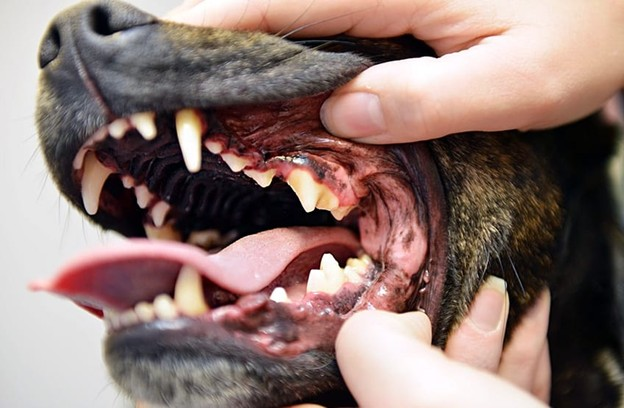
Reward your dog with praise, treats, or playtime when they successfully eliminate in the designated area. This will help reinforce the desired behavior. Consider dental chews like Greenies or Minties that double as a treat and also contribute to good oral health.
Supervise closely:
Keep an eye on your dog, especially during the early stages of house-training. Look for signs that they need to go, such as sniffing, circling, or whining, and promptly take them outside.
Take your dog out regularly:
Take your dog out for bathroom breaks after meals, naps, playtime, and before bedtime. For puppies, you may need to take them out every 1-2 hours.
Use a leash:
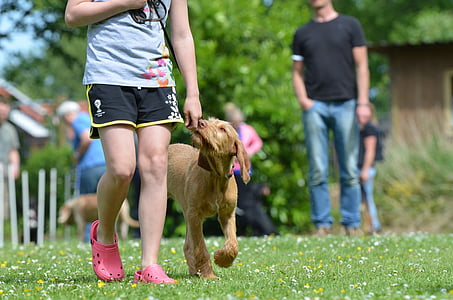
Even in a fenced yard, using a leash during bathroom breaks can help keep your dog focused on the task at hand.
Be patient:
House-training can take time, and accidents will happen. Be patient and consistent with your dog, and they will eventually learn.
Clean up accidents promptly:
If your dog has an accident indoors, clean it up immediately using an enzymatic cleaner to remove any lingering odors that might encourage future accidents.
Seek professional help if needed:
If you’re struggling to house-train your dog or notice that they’re having frequent accidents, consult with a veterinarian or professional dog trainer to address any potential medical issues or receive additional guidance.
In summary, house training is a fundamental aspect of responsible pet ownership. It promotes cleanliness, discipline, and a positive relationship between you and your pet, leading to a more enjoyable and harmonious living arrangement for both parties. These 10 strategies, including establishing a routine, using positive reinforcement, and being patient, will aid in teaching your dog good bathroom habits. Consistency and diligence are vital throughout the process, and seeking professional help is a viable option if needed. Happy house-training!
Some of the links on our pages are affiliate links, which means we may earn a small commission if you choose to make a purchase – at no additional cost to you.
We only feature products we’d be comfortable recommending to our own pet families. Earnings from affiliate links help us keep creating free checklists and playbooks for busy pet parents.